Discovering the Versatile Uses and Applications of Aluminum Castings in Modern Industries
Aluminum castings have become important to different modern sectors because of their distinct homes. They provide significant benefits in weight decrease, thermal conductivity, and rust resistance. From vehicle developments to applications in durable goods and construction, their convenience is remarkable. Yet, real degree of their impact expands beyond immediate advantages, hinting at more comprehensive implications for sustainability and performance. What exists ahead for aluminum castings in an ever-evolving commercial landscape?
Automotive Sector Innovations
The vehicle industry has actually progressively welcomed aluminum castings to enhance car efficiency and efficiency. By making use of aluminum, manufacturers can generate lighter elements, which add to enhanced fuel economy and minimized discharges. Trick applications consist of engine blocks, transmission cases, and architectural components, where the product's strength-to-weight ratio supplies sturdiness without adding excess weight.
Light weight aluminum castings additionally supply superior thermal conductivity, which assists in much better heat dissipation, therefore boosting engine efficiency. Moreover, innovations in casting technologies, such as die casting and sand spreading, enable the manufacturing of intricate geometries, permitting ingenious layouts that optimize room and functionality.
The recyclability of light weight aluminum aligns with sustainability objectives in the vehicle industry, advertising ecologically friendly practices. As the sector continues to introduce, making use of light weight aluminum spreadings is likely to broaden, driving more developments in automobile design and effectiveness.
Aerospace Applications and Advancements
While the aerospace market proceeds to focus on weight reduction and gas efficiency, light weight aluminum spreadings have actually become an important product choice for various applications. Their light-weight nature, paired with high strength-to-weight ratios, allows for substantial improvements in aircraft performance and efficiency. Light weight aluminum spreadings are typically used in structural elements, such as body frameworks and wing components, where minimizing weight is necessary.
Current advancements in aluminum casting innovations, including improved alloy solutions and precision casting techniques, have further improved the product's efficiency abilities. These innovations make it possible for the manufacturing of complicated geometries and elaborate styles while maintaining architectural integrity. In addition, aluminum's outstanding rust resistance assurances durability and integrity in severe aerospace settings.
As the aerospace field significantly embraces sustainability, light weight aluminum castings use a recyclable service that lines up with eco-friendly practices, making them a pivotal aspect in the growth of next-generation aircraft.
Durable Goods and Everyday Products
As customers increasingly seek lightweight yet long lasting materials for everyday items, light weight aluminum spreadings have actually acquired appeal in numerous consumer products. The special buildings of light weight aluminum, including its resistance to rust and superb thermal conductivity, make it an ideal choice for items like pots and pans, home appliances, and outdoor equipment. For circumstances, aluminum cast pans and pots offer also warm distribution, enhancing cooking performance. In addition, making use of light weight aluminum in products such as bicycle structures and travel luggage ensures an equilibrium in between toughness and portability. Manufacturers value aluminum castings for their adaptability, as they can be quickly molded into complex shapes while preserving structural stability. The capacity to reuse aluminum without weakening its buildings straightens with expanding consumer choices for lasting items. In general, light weight aluminum castings are essential to the production of long lasting, functional, and visually pleasing customer items, satisfying the demands of contemporary lifestyles.
Building And Construction and Architectural Makes Use Of
Light weight aluminum spreadings have ended up being an important component in building and architectural style, particularly because of their stamina and lightweight nature. These homes make aluminum a perfect option for various applications, including structural aspects, exteriors, and decorative attributes - Aluminum Foundry. Contractors and designers increasingly use aluminum spreadings for home window frameworks, doors, and roof, improving both performance and appearances. The product's resistance to deterioration even more prolongs its life expectancy, minimizing maintenance prices and ensuring resilience in varied environmental conditions
Moreover, light weight aluminum can be quickly formed right into complex designs, enabling innovative architectural expressions. Its versatility helps with the production of personalized items that fulfill specific layout requirements, from elaborate barriers to intricate assistances. As sustainability becomes a concern, aluminum's recyclability adds to its appeal in environment-friendly building methods. Generally, aluminum spreadings are reinventing the building and construction industry by supplying lightweight, resilient, and visually enticing solutions.
Electrical and Electronic Elements
Aluminum spreadings play an important duty in the production of light-weight electrical rooms, which boost mobility and performance in various applications. On top of that, their superb thermal conductivity makes them ideal for warm sinks, making sure peak efficiency and longevity of digital components. Additionally, light weight aluminum's conductive properties contribute to its usage in different electric conductors, emphasizing its relevance in contemporary innovation.
Light-weight Electric Enclosures
Lightweight electric enclosures play an essential duty in safeguarding sensitive electronic elements from environmental elements and physical damage. Created from light weight aluminum spreadings, these rooms are valued for their strength-to-weight ratio, making Web Site them perfect for numerous applications across sectors. Their lightweight nature help in minimizing overall system weight, which is essential in mobile and mobile electronics. In addition, aluminum's deterioration resistance enhances longevity, prolonging the life expectancy of the enclosed elements. The capability to mold and mildew aluminum into intricate shapes enables tailored designs, dealing with specific requirements while ensuring effective warm dissipation. In addition, these enclosures can be quickly integrated right into existing systems, giving flexibility and flexibility in contemporary technical environments. In general, lightweight light weight aluminum units significantly add to the efficiency of digital gadgets.
Warmth Sinks and Conductors
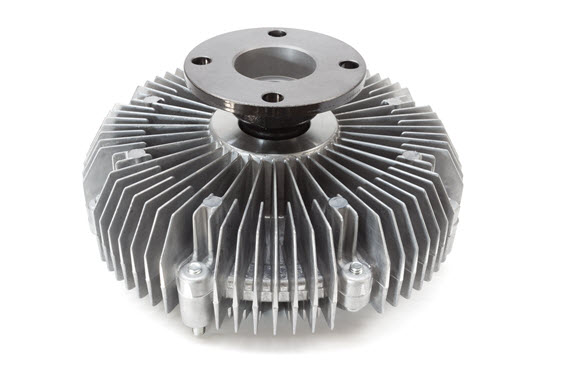
While several materials are used in digital elements, light weight aluminum castings stick out for their performance in heat administration as heat sinks and conductors. Their exceptional thermal conductivity enables efficient heat dissipation, which is important in avoiding the overheating of electronic devices. Aluminum's lightweight nature additionally improves its suitability for applications where weight is a significant factor, such as in aerospace and automotive industries. Additionally, light weight aluminum castings can be conveniently built right into intricate forms, giving layout versatility for enhancing thermal performance. The corrosion resistance of aluminum additionally adds to the durability and dependability of these components in different environments. As innovation developments and devices become extra compact, the need for reliable warm administration solutions, like light weight aluminum spreadings, remains to expand.
Marine Sector Use
The marine sector progressively depends on aluminum spreadings for their outstanding toughness and rust resistance. These residential or commercial properties make aluminum a suitable option for numerous applications, consisting of boat hulls, engine elements, and marine equipment. The lightweight nature of light weight aluminum castings makes it possible for improved gas effectiveness and less complicated maneuverability in boat, which is vital for both commercial and leisure vessels.
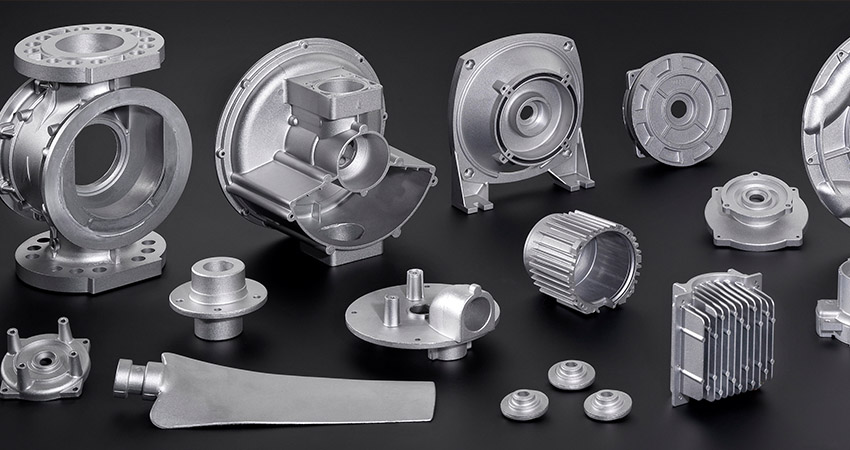
Aluminum spreadings likewise provide substantial expense benefits because of their long lifespan and low maintenance needs, lowering the general operational expenditures for marine operators. In addition, the adaptability of aluminum enables elaborate layouts that can satisfy specific efficiency demands.
Manufacturers in the marine field use advanced casting strategies to create intricate forms, making certain that components meet rigorous safety and efficiency standards. As the need for high-performance marine vessels expands, light weight aluminum castings are positioned as a key product in enhancing the performance and long life of marine see this website tools.
Sustainability and Recycling in Light Weight Aluminum Casting
Aluminum Recycling Process
Reusing aluminum plays a necessary function in decreasing ecological effect and conserving sources within the casting industry. The aluminum recycling process starts with the collection of scrap aluminum, which can consist of old parts, manufacturing waste, and post-consumer products. This scrap is after that arranged, cleansed, and shredded right into tiny pieces to facilitate melting.
As soon as prepared, the aluminum scrap is melted in a heating system at lower temperatures than primary light weight aluminum production, substantially minimizing energy intake. The liquified light weight aluminum is after that cast right into ingots or other forms for reuse in numerous applications - Metal Castings. This closed-loop system enables the efficient healing of light weight aluminum, preserving its residential properties while decreasing the need for virgin products. The reusing procedure is an important element of sustainable practices in light weight aluminum casting.
Ecological Advantages
While aluminum casting plays an important role in different industries, its ecological benefits are particularly remarkable concerning sustainability and source conservation. The lightweight nature of light weight aluminum adds to energy performance in transportation, reducing gas intake and discharges. Additionally, light weight aluminum casting assists in using recycled products, significantly decreasing the power required for production contrasted to primary aluminum. This recycling process minimizes waste and reduces the ecological impact connected with mining and refining resources. Light weight aluminum is 100% recyclable without deterioration of its homes, advertising a lasting lifecycle. By picking aluminum spreading, sectors can substantially decrease their carbon footprint while advertising source efficiency, making it a crucial selection in the pursuit of eco-friendly production techniques.
Closed-Loop Solutions

Regularly Asked Questions
What Are the Trick Advantages of Light Weight Aluminum Castings Over Various Other Products?
Aluminum castings provide light-weight properties, outstanding rust resistance, and high strength-to-weight proportions. They can be conveniently molded into complicated shapes, provide excellent thermal and electrical conductivity, and are affordable, making them more effective over several alternative materials.
Exactly how Is the Aluminum Spreading Process Eco-friendly?
The light weight aluminum casting process is environmentally friendly because of its recyclability, low power usage, and lowered waste manufacturing. Its capability to use recycled materials minimizes the carbon footprint, promoting sustainability within making techniques.
What Prevail Obstacles in Light Weight Aluminum Spreading Production?
Typical challenges in aluminum spreading production consist of maintaining dimensional accuracy, managing thermal contraction, avoiding flaws like porosity and additions, making certain correct mold style, and maximizing production efficiency while lessening material waste and ecological effect.
Just How Do Aluminum Castings Compare in Price With Various Other Production Approaches?
Aluminum spreadings commonly use competitive costs contrasted to other manufacturing methods, specifically for medium to linked here high-volume manufacturing. Their lower initial tooling expenditures and efficient product usage can result in desirable business economics over time.
What Future Fads Are Expected in Light Weight Aluminum Spreading Innovation?
Future trends in light weight aluminum casting modern technology are expected to consist of improvements in automation, improved alloy structures, enhanced reusing methods, and the combination of 3D printing, all targeted at boosting effectiveness, lowering expenses, and decreasing environmental influence.
Recent improvements in light weight aluminum casting modern technologies, including enhanced alloy solutions and precision casting strategies, have additionally boosted the material's efficiency capacities. Aluminum castings have actually come to be a necessary part in construction and building layout, particularly due to their stamina and light-weight nature. The light weight aluminum reusing process begins with the collection of scrap aluminum, which can consist of old elements, manufacturing waste, and post-consumer products. As soon as prepared, the light weight aluminum scrap is melted in a heating system at lower temperature levels than primary aluminum manufacturing, substantially reducing energy usage. Furthermore, light weight aluminum spreading facilitates the use of recycled materials, significantly lowering the energy needed for production contrasted to key light weight aluminum.